PIONEERS OF PROGRESS
Discover Gloucester County’s Civil Rights Legacy
Gloucester County’s Civil Rights story is rooted in the lives and achievements of trailblazers whose influence reached far beyond Virginia. Irene Morgan’s 1944 stand against segregation on an interstate bus led to a Supreme Court ruling that weakened Jim Crow laws nationwide, more than a decade before similar acts gained widespread attention. T.C. Walker, born enslaved, became Gloucester’s first Black lawyer and a broad champion for education, economic independence, and public service. Robert Russa Moton, a national leader in Black education and Civil Rights advocacy, transformed his Gloucester home, Holly Knoll, into a gathering place for ideas that shaped the future of American Civil Rights.
Their legacies, among others, are preserved through exhibits at the Gloucester Museum of History, historic markers, churches, schools, and the African American Heritage Trail. Together, these people and places tell a story of honor, resilience, and pioneering leadership that positions Gloucester County as an essential chapter in America’s civil rights history.
As of February 2026, Gloucester is a proud member of the official U.S. Civil Rights Trail.
Download the full press release.
The History
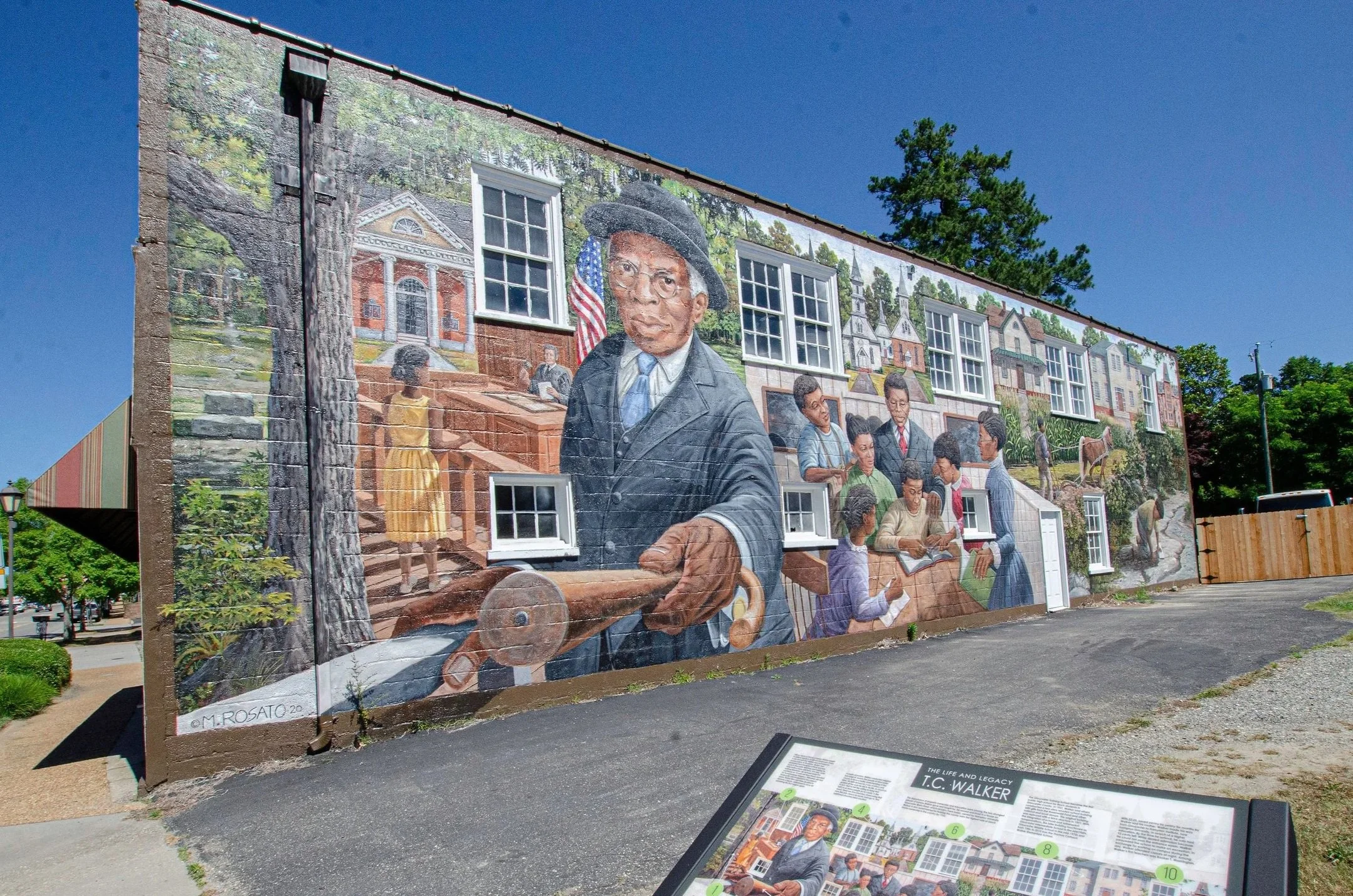
Thomas Calhoun “T.C.” Walker
Born enslaved on June 16, 1861, Thomas Calhoun “T.C.” Walker rose to become one of Gloucester County’s most influential Civil Rights leaders during the Reconstruction and Jim Crow eras. Walker’s determination for education carried him to Hampton Institute. While there, Walker was fortunate to have Booker T. Washington as a professor and mentor. He graduated in 1883 and returned to Gloucester. In 1887, after facing many challenges, he became the first African American lawyer to practice in Gloucester County, dedicating his career to defending Civil Rights and expanding opportunity for Black citizens.
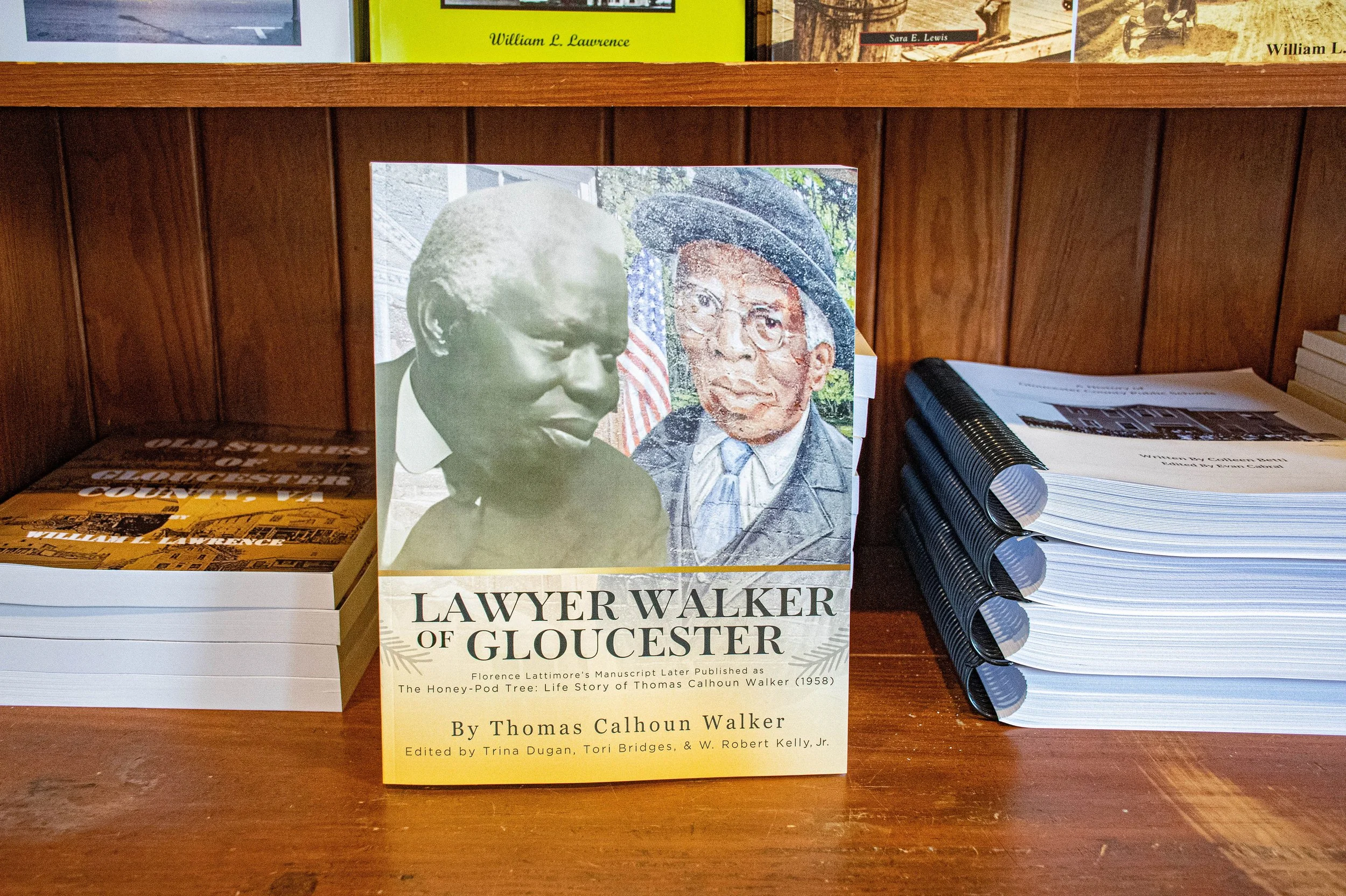
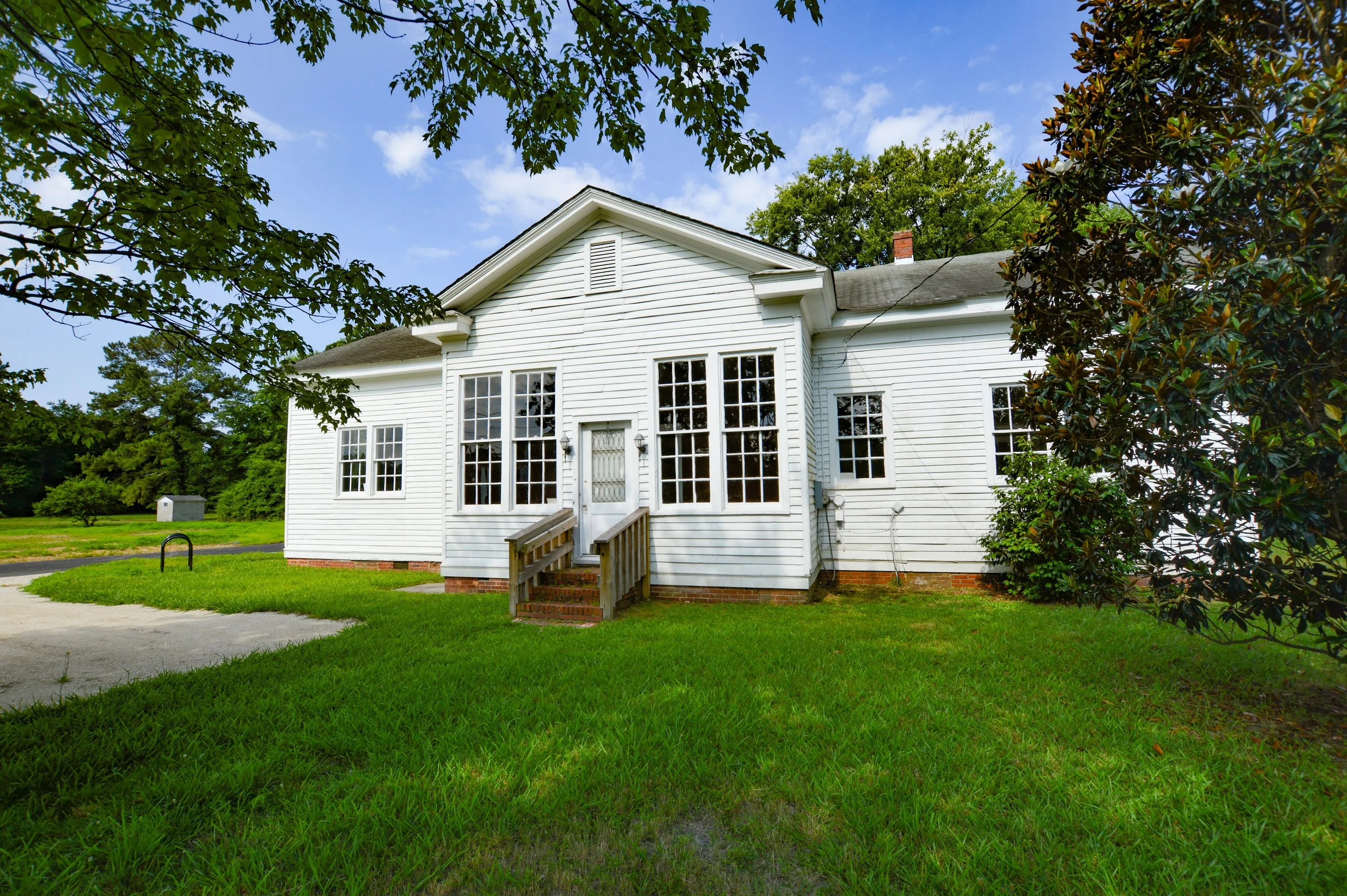
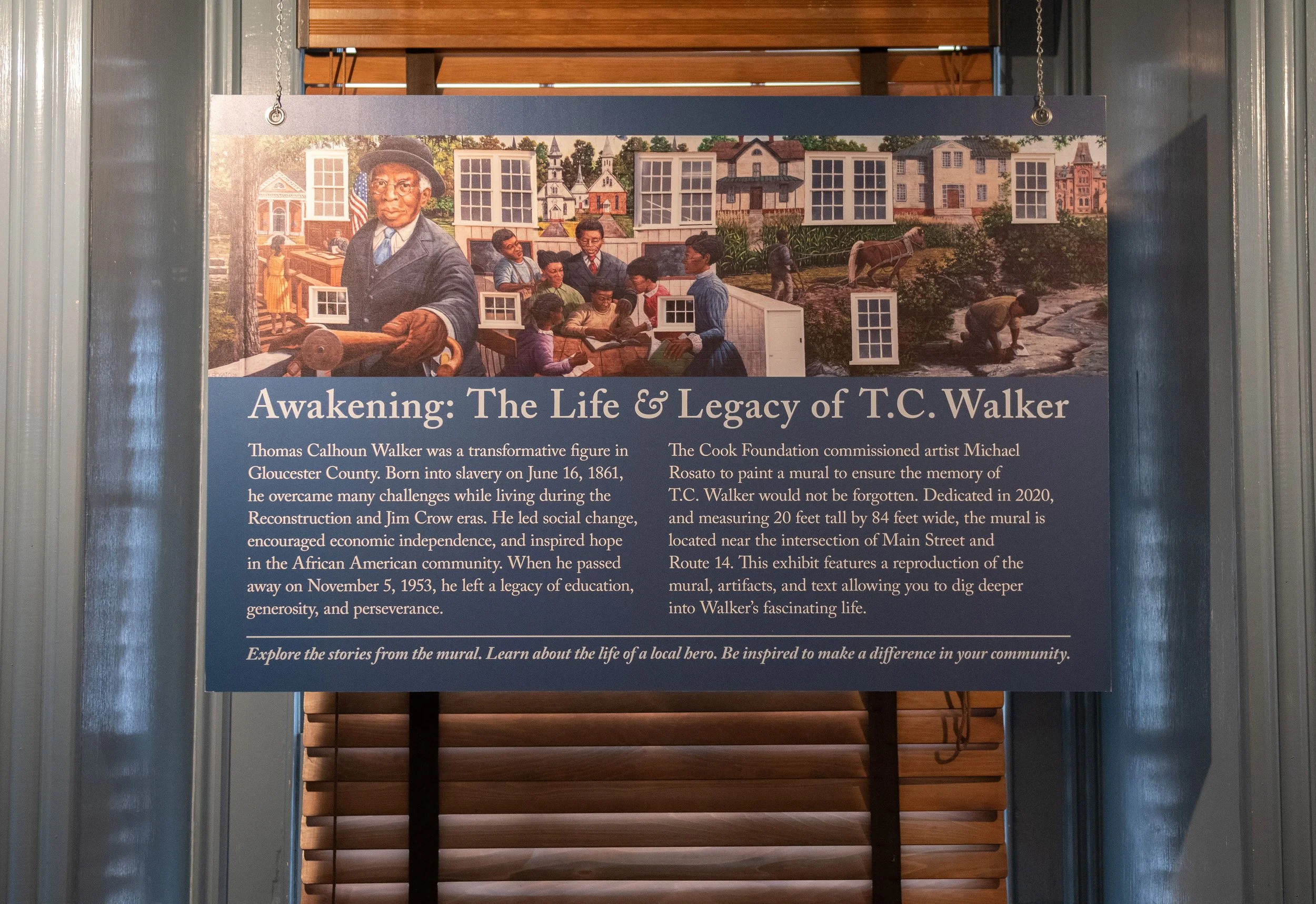
Walker was a tireless advocate for African American education and economic independence. He led efforts to establish the Gloucester Training School, the county’s first public high school for African Americans, and played a key role in securing Rosenwald Fund support for schools across Gloucester, including the Woodville Rosenwald School. Through the Gloucester Land and Brick Company, Walker helped African Americans acquire land and build homes, strengthening community stability during reconstruction.
His leadership extended into public service. Walker served two terms on the Gloucester County Board of Supervisors and received presidential appointments from William McKinley as Collector of Customs and from Franklin D. Roosevelt as Advisor on Negro Affairs with the Works Progress Administration—making him one of the most prominent Black public officials in Virginia during his lifetime. Walker passed away in 1953, reportedly as Virginia’s oldest practicing attorney. He is interred at Bethel Baptist Church.
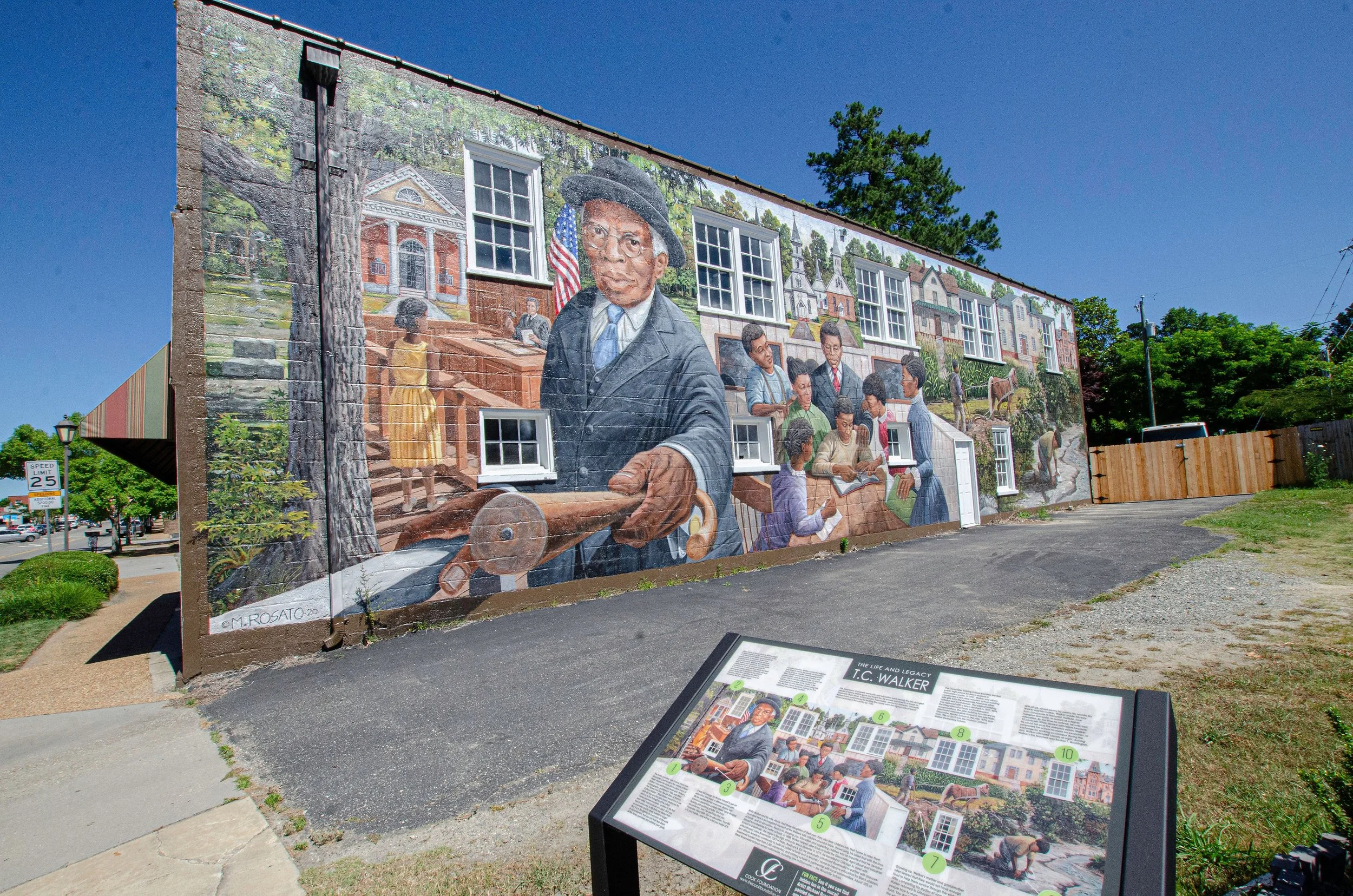
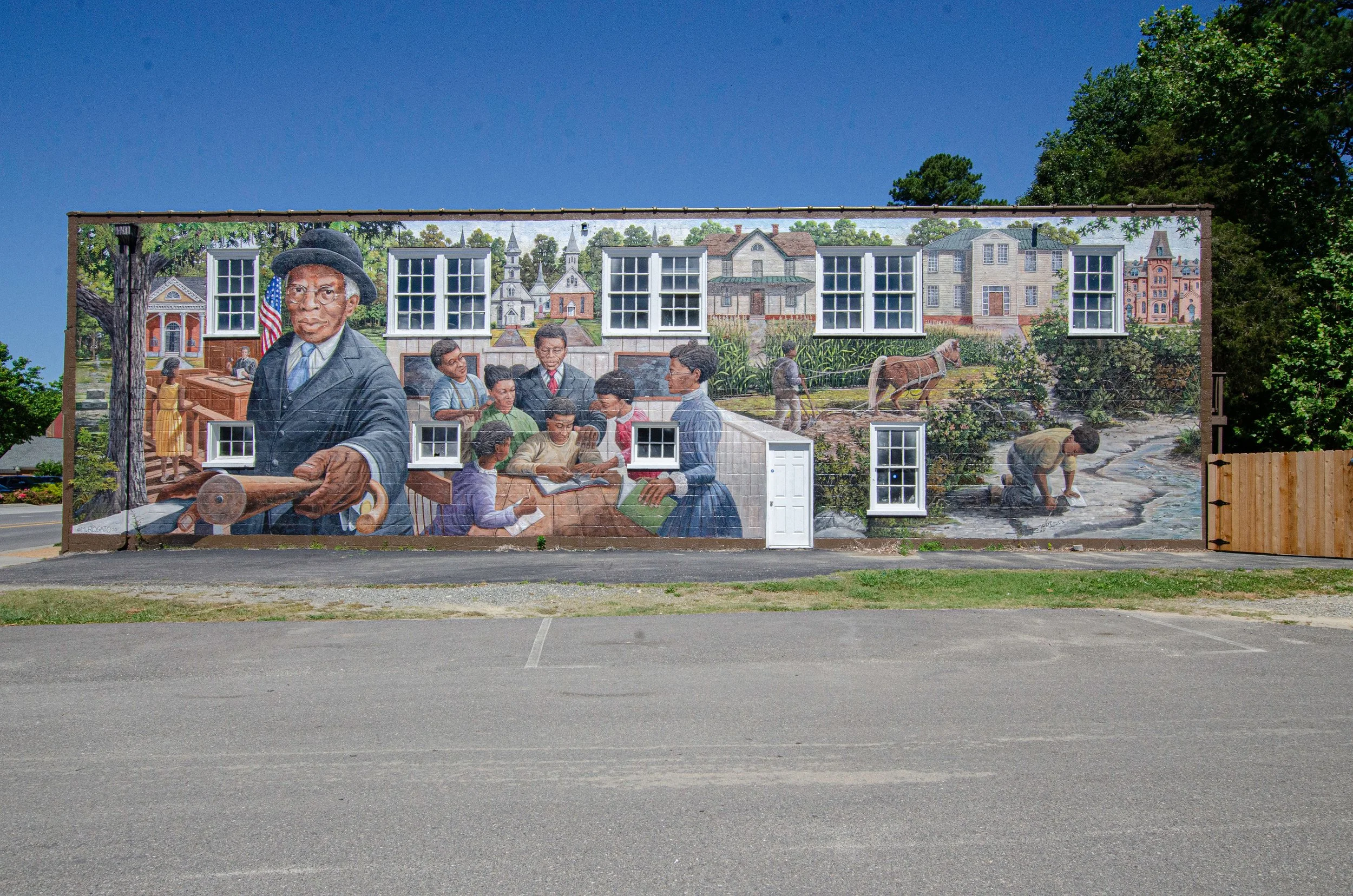
Today, Walker’s legacy is honored through exhibits at teh Gloucester Museum of History and at his former home on Main Street, a contributing property to the Gloucester Downtown Historic District, alongside a large mural dedicated in 2020. His life reflects a legacy of perseverance, empowerment, and institution-building that positioned Gloucester County as an early leader in the fight for Civil Rights.
Irene Morgan
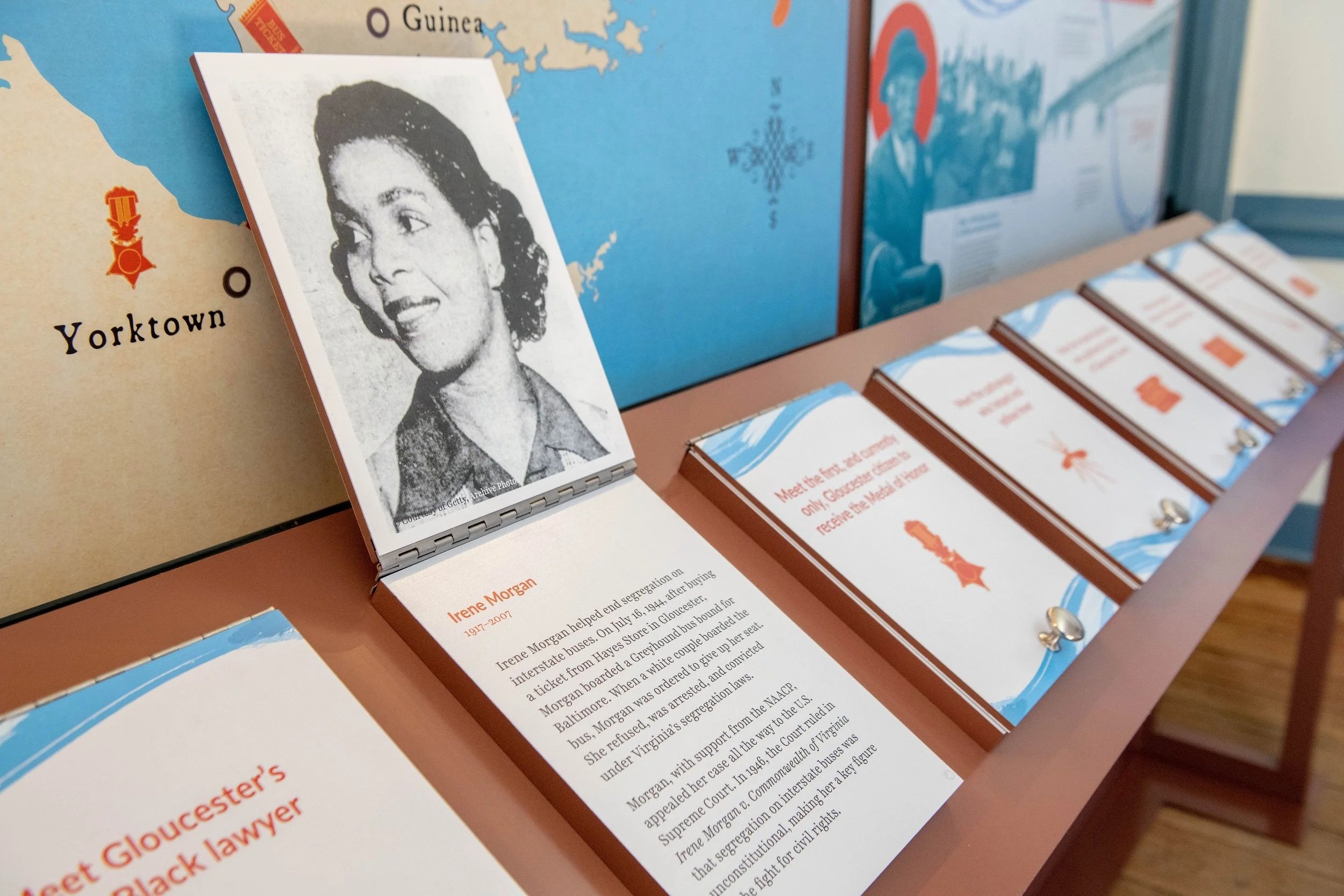
On July 16, 1944, Irene Morgan boarded a Greyhound bus at the Hayes Store Post Office in Gloucester County, Virginia, beginning a journey that would reshape Civil Rights law in the United States. Traveling home to Baltimore after visiting her mother, Morgan was ordered to give up her seat to white passengers about twenty-five miles north of Gloucester. She refused. Arrested and jailed in Saluda, Virginia, Morgan chose to challenge the injustice rather than comply with it.
Her case, Morgan v. Virginia (1946), reached the U.S. Supreme Court, which ruled that laws enforcing racial segregation on interstate buses were unconstitutional. This landmark decision struck a significant blow against Jim Crow laws and set a legal precedent that fueled future Civil Rights victories. Irene Morgan’s courageous stand came eleven years before Rosa Parks’ protest in Montgomery, firmly establishing her as a pioneer of the movement.
Morgan’s legacy is honored today through a Virginia highway marker located near the site where she boarded the bus and through exhibits at the Gloucester Museum of History. Her story stands as one of resolve, dignity, and leadership, a lasting reminder that Gloucester County helped lead the nation toward equality before the Civil Rights Movement had fully taken shape.
Robert Russa Moton
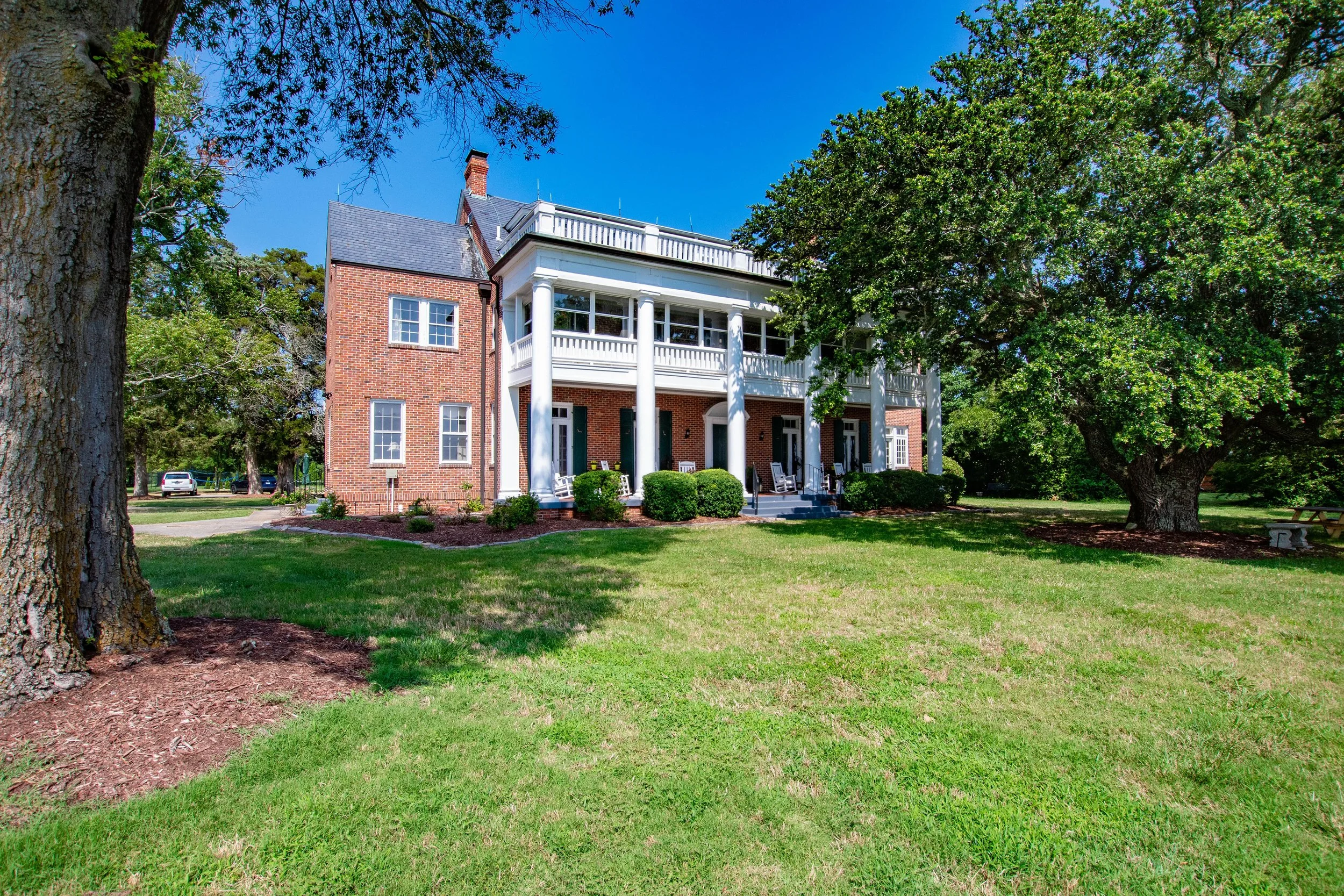
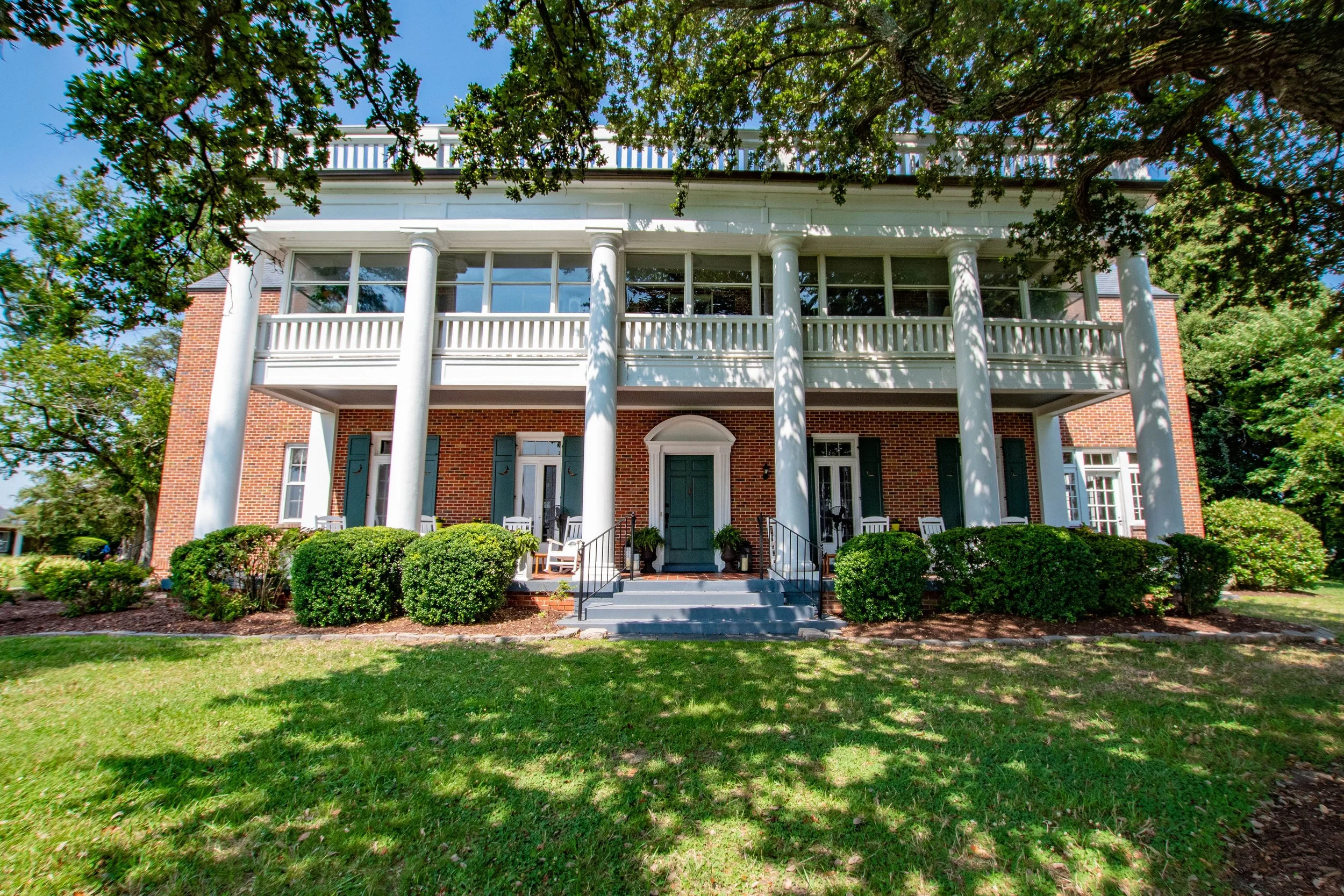
Robert Russa Moton brought national influence to Gloucester County through his leadership, vision, and commitment to advancing African American education and Civil Rights. After succeeding Booker T. Washington as president of Tuskegee Institute in 1915, Moton expanded academic programs, secured full collegiate accreditation, and became a trusted advisor to five U.S. presidents. Upon his retirement in 1935, Moton chose Gloucester as the site to continue shaping ideas that influenced the nation.
Moton built his retirement home, Holly Knoll, overlooking the York River, where it became a gathering place for African American leaders, educators, and intellectuals. Conferences and informal meetings held at Holly Knoll fostered dialogue on civil rights, education, and public policy, including a bench where Martin Luther King, Jr. is rumored to have written his historic ‘I Have a Dream’ speech. These discussions contributed to the founding and early growth of the United Negro College Fund, which began meeting at Holly Knoll in the mid-1940s and continues to support historically Black colleges and universities nationwide.
Designated a National Historic Landmark, Holly Knoll remains a symbol of Black excellence and leadership. Today, the site continues its legacy through leadership development and civic engagement, preserving Gloucester’s role as a place where national Civil Rights strategies and educational advancement were shaped beyond the spotlight of larger cities.
The Partners
African American
Heritage Trail Driving Tour
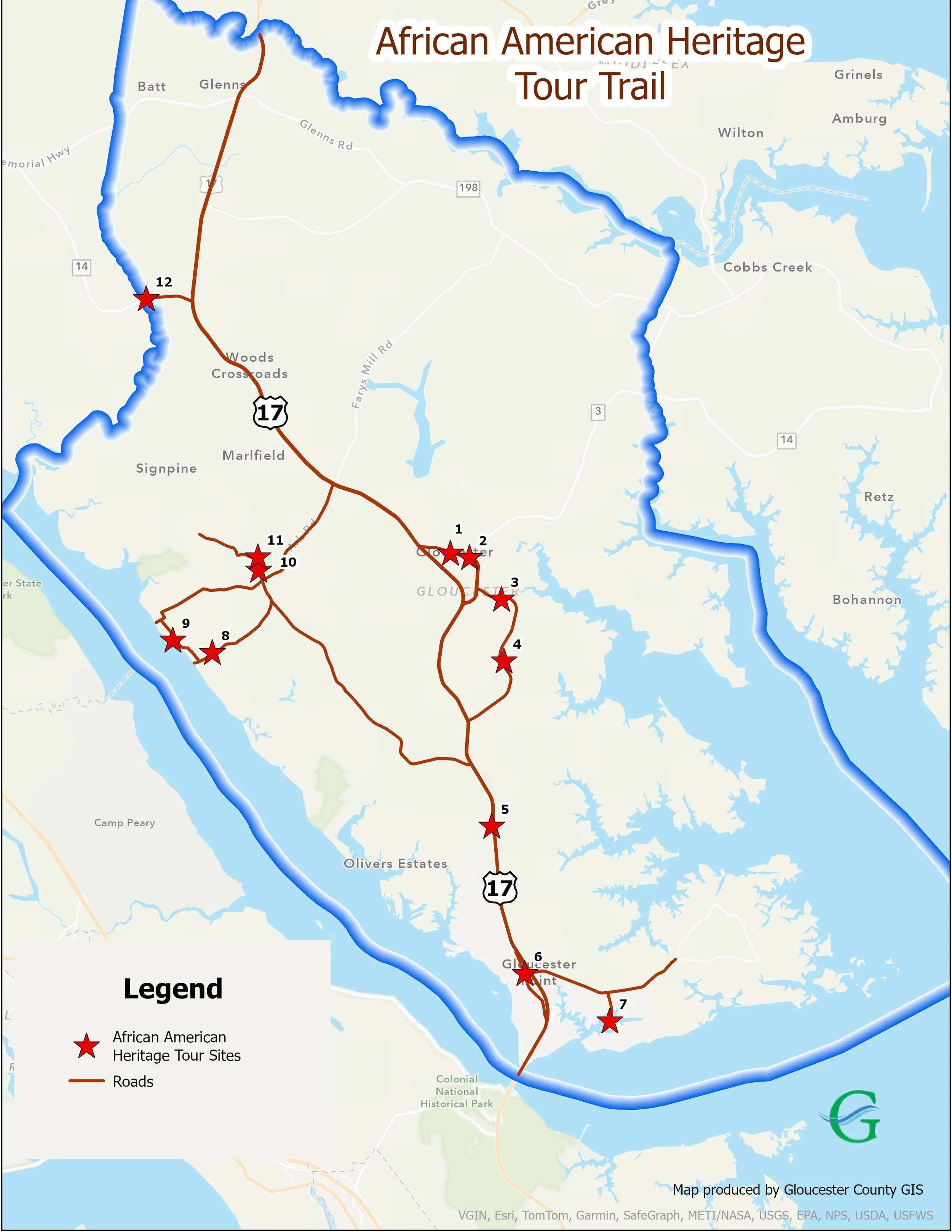
Visit Gloucester, in partnership with historian Dr. Dorothy Cosby Cook, has produced a comprehensive guide of African American Heritage in Gloucester County. The complete driving tour lists open tourist attractions, monuments, and some locations that are not open to the public. You can view a virtual copy of the blog linked below or pick up a physical copy at the Gloucester Visitor Center or Gloucester Museum of History.
A Four-Night Interpretive Itinerary
Discover Gloucester County through the stories of courage and leadership that shaped the Civil Rights era, paired with walkable historic districts, waterfront dining, gardens, and coastal adventure.
Day 1: Check-In
For lodging, we recommend Hampton Inn Gloucester for comfort and convenience or a unique home rental, central to Main Street or the Ware Neck area. For a full experience, opt for a waterfront cabin. Take time to settle in and enjoy Gloucester’s relaxed coastal pace.
We know traveling can be a lot. For dinner, we recommend Duke’s Aloha Deli, serving poke bowls, fully loaded sandwiches, and craft beers. Eat in for live music and upbeat atmosphere, or their food is great to-go!
Day 2: African American Heritage Trail – Gloucester Courthouse
Start the morning with some serious fuel, breakfast at Sweet Tooth Café and a strong gourmet coffee.
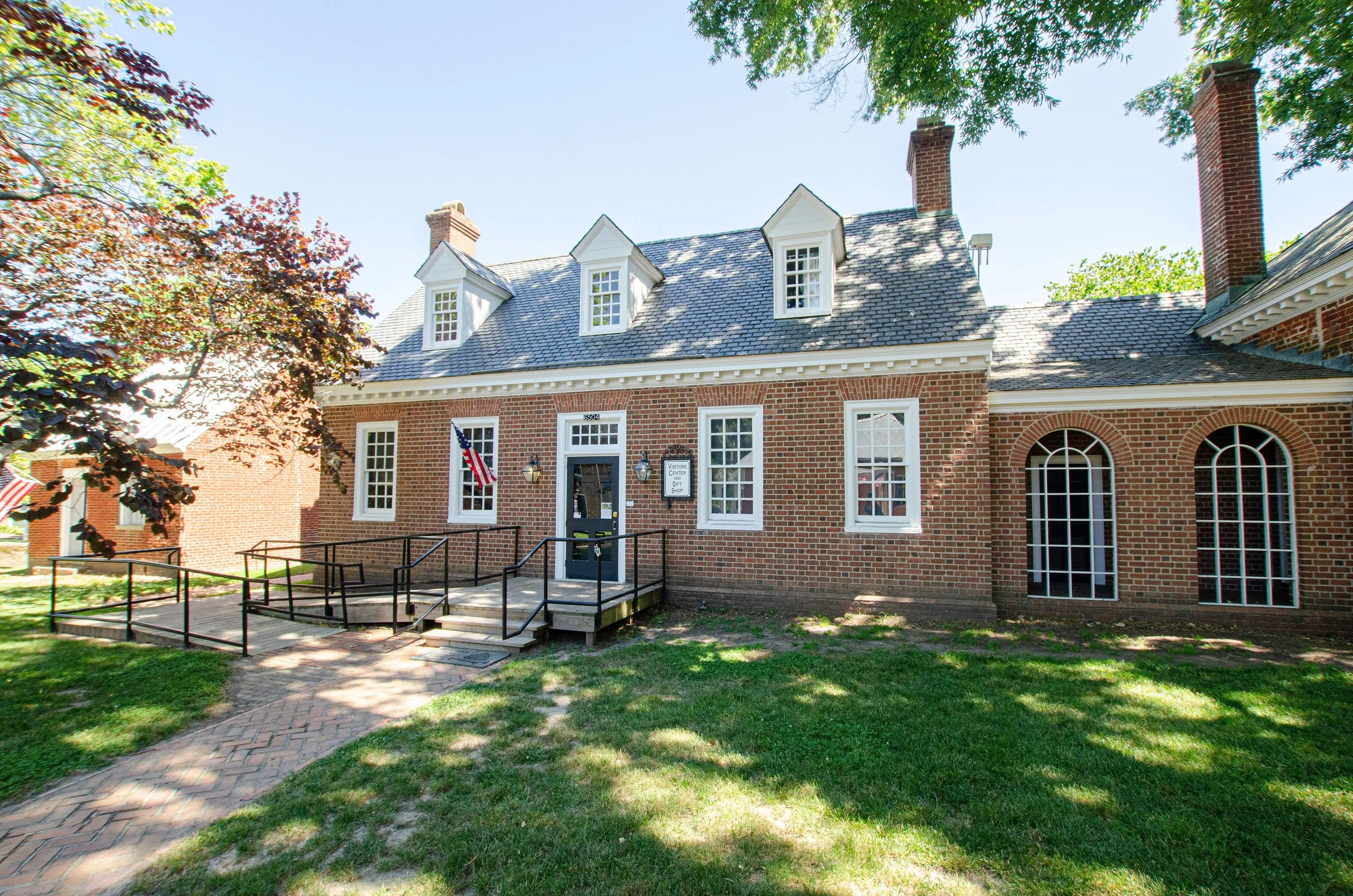
No trip to Gloucester is complete without a stop to the Gloucester Visitor Center, where friendly local experts can direct you on how to make the most of your trip. Pick up a physical copy of the African American Heritage Driving Tour and browse souvenirs and local goods at The Annex Gift Gallery.
Your first stop on the tour is directly outside of the Visitor Center, the Private James Daniel Gardner Monument (Site #1). Next, we recommend proceeding directly across the street to the Gloucester Museum of History to explore exhibits from pre-Colonial contact to present day, with strong interpretation of Gloucester’s African American history.
Now that you have your bearings, take some time to walk the historic Gloucester Main Street Village for multiple murals, public art, and boutique shopping.
While on Main Street, you’ll see the T.C. Walker House (Site #2), honoring Gloucester’s first Black lawyer and civil rights leader.
Enjoy lunch at nearby Patriot’s Grill for some of the best burgers and fish and chips in tidewater Virginia.
Spend the afternoon with a short drive to Zion Poplars Baptist Church (Site #3) and location of Gloucester Training School, now the Gloucester School Board administrative building named for T.C. Walker (Site #4).
That was a busy morning! Here’s some time to rest and enjoy your lodging accommodations before dinner.
Enjoy fine dining at Gloucester’s newest restaurant, Porter’s on Main. Specializing in changing chef creations and artisanal cocktails, Porter’s offers romance with a local flair. Reservations are recommended.
Day 3: African American Heritage Trail – Gloucester Point
While traveling south on US-Route 17, grab a quick breakfast bite at Dough Haus or, for a heartier start, Eggheads Diner.
To continue the driving tour, we recommend working backwards.
Start the morning by honoring Eldridge Cook of Cook’s Oyster Company (Site #7) with a side quest of the Guinea Heritage Tour. This will take you by breathtaking water views with audio narrative of each site.
Visit the location where Irene Morgan boarded the bus that led to the landmark Morgan v. Virginia Supreme Court decision, one of the earliest legal victories against segregation in interstate travel (Site #6).
Lunch at York River Oyster Company (YROC) is sure to delight! Offering waterside dining with fresh seafood and scenic river views, this spot is a local favorite.
After lunch, stop by Whitley’s Peanuts for a sweet or savory treat, an iconic Gloucester souvenir and perfect gift to take home.
With full bellies, head back north to Woodville Rosenwald School Foundation (Site #5). Especially beautiful in spring, this preserved schoolhouse stands as a testament to community-driven education.
Next, visit Brent & Becky’s Bulbs, a favorite of Martha Stewart, to stroll the display gardens and visit The Bulb Shoppe for gardening treasures and unique finds.
Enjoy Bangkok Noi Thai Cuisine for dinner, with sushi appetizers!
Day 4: African American Heritage Trail – North Gloucester
Start the day at Gloucester Pancake House, perfect for a sweet tooth or fully loaded breakfast burrito.
Continue the African American Heritage Tour while traveling down country back roads. These views highlight the small-town charm that makes Gloucester unique.
Gloucester Agriculture and Industrial School (Site #8) is identified by a Highway Marker. The original school bell is located at the Gloucester Museum of History.
Holly Knoll (Site #9), the retirement home of Robert Moton and progressive retreat space for national Civil Rights conversation, overlooks the York River. Becuase the site is an active meeting space for The Gloucester Institute, tours are available by appointment only.
Bethel Baptist Church (Site #10), the congregation that served the Walker family and led to the expansion of other Black Baptist churches across the region.
The Bethel Rosenwald School (Site #11) is memorialized by a marker and served as one of the county’s first schools for African Americans. The school closed in 1951 when children were transferred to the larger Gloucester Training School.
Grab lunch at Kelsick’s Specialty Market with charcuterie lite fair or dig in with a sandwich or casserole. Regardless, staff can recommend the perfect wine pairing.
Change the pace with an afternoon hike at Beaverdam Park. If you’re feeling adventurous, rent a kayak or paddle boat. There are experiences for every level.
For your final dinner, we recommend Olivia’s in the Village. Known for pasta and local seafood, Olivia’s is everything you think of with small-town charm.
End the evening by catching a famous Eastern Virginia sunset, whether along the water or back on Main Street.
Day 5: Farewell to Gloucester
If you enjoyed dinner at Olivia’s, don’t miss their breakfast, a local favorite and perfect sendoff. This way, you’re close by to grab that last minute souvenir you regret not buying on day 2!
If you have a little extra time before heading home, consider visiting Machicomoco State Park or the Fine Arts Museum of Gloucester.
Depart Gloucester County with a deeper connection to the people, places, and pioneering spirit that helped shape America’s journey toward equality. We thank you for your visit and look forward to seeing you again!